
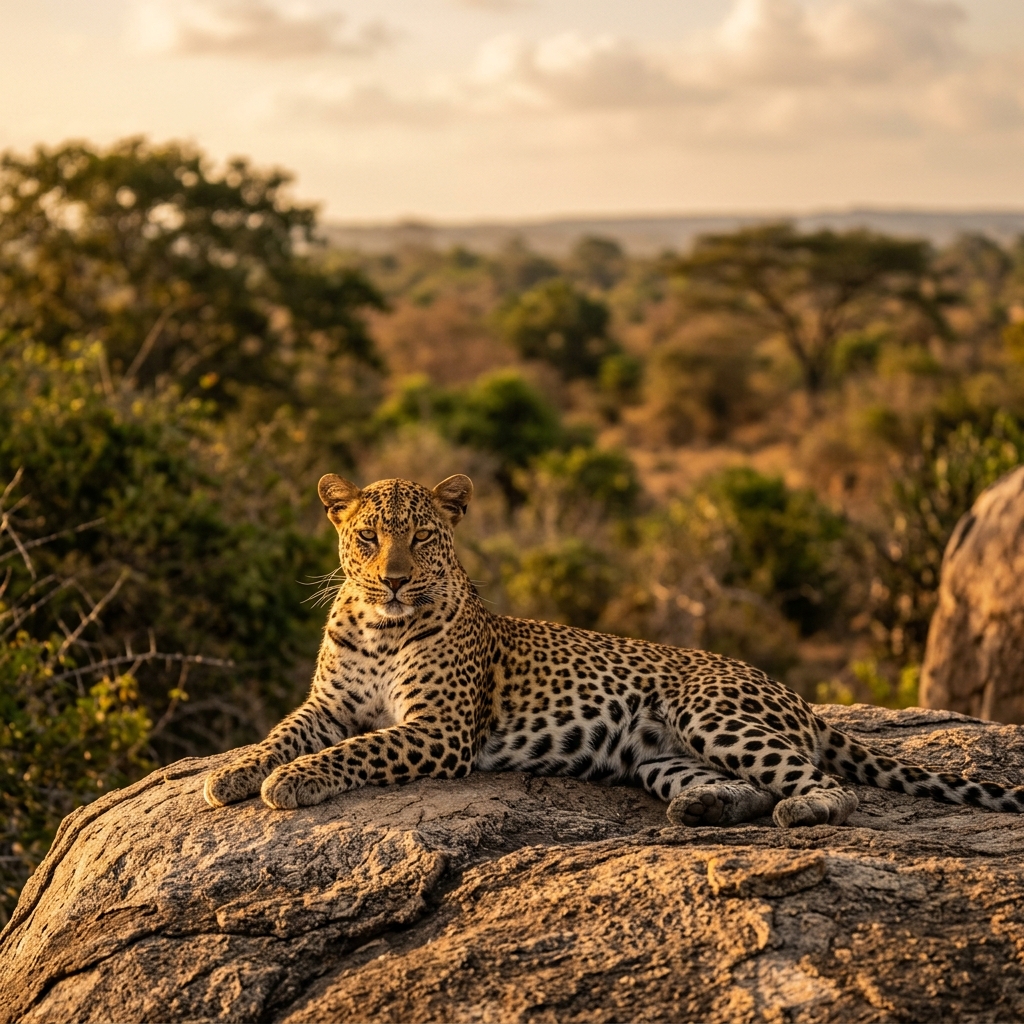
There is a moment on a Yala safari that every visitor remembers. The jeep has been moving through scrub and forest for an hour. The light is still flat, the morning still cool. Your naturalist guide stops the vehicle, cuts the engine, and lifts his binoculars toward a rocky outcrop 200 metres ahead. And there it is — a wild leopard in perfect morning light, entirely unperturbed by your presence, watching you with the same curiosity with which you watch it.
Yala National Park is not a zoo. It is not a managed experience. It is one of the great wildlife encounters left on earth — a place where nature dictates the terms and the experience is different every single morning.
At Zelenso Travel, we have guided hundreds of clients through Yala. This guide distils that experience into everything you need to plan the most rewarding safari possible.
Why Yala Is Extraordinary
Yala National Park covers 978 square kilometres of dry monsoon forest, thorn scrub, freshwater lakes and coastal lagoon. It is divided into five blocks, of which Block I — the oldest and most established — is where the majority of big-cat sightings occur.
Sri Lanka's leopard population is unique: as the island's apex predator (there are no tigers or lions), the Sri Lankan leopard (Panthera pardus kotiya) behaves differently from its African and Indian counterparts. It hunts in daylight, rests on open rocks, and is less shy around vehicles — making Yala one of the most reliable places on earth for leopard sightings.
But Yala is far more than leopards. The park supports the highest density of elephants of any Sri Lankan park, significant populations of sloth bears and water buffalo, saltwater crocodiles, spotted deer, wild boar, and over 200 recorded bird species.
"There is no wildlife experience in South Asia that matches a sunrise Yala safari. The light, the landscape, the possibility of a leopard around every corner — it is genuinely electrifying."— Zelenso Travel, Safari Specialists
Wildlife You Will See
Sri Lankan Leopard
Star speciesSighting chance: High — especially Feb–Jul in Block I
The world's densest leopard population. Yala's leopards are remarkably visible — they rest on open rocks and hunt in daylight hours.
Asian Elephant
CommonSighting chance: Very high — daily sightings
Herds of 20–50 gather at watering holes, especially in dry season. The Yala elephant population exceeds 300.
Sloth Bear
Rare highlightSighting chance: Moderate — dawn and dusk
Shy and nocturnal, but Yala is one of the most reliable locations in Asia for sightings. Palu fruit season (June–July) dramatically increases chances.
Saltwater Crocodile
CommonSighting chance: High — lakes and lagoons
Some of the largest saltwater crocodiles in Asia inhabit Yala's Buttuwa and Menik Ganga waterways.
Water Buffalo
CommonSighting chance: Very high
Large herds in open grasslands. Wild water buffalo are genetically distinct from domestic breeds.
Spotted Deer
AbundantSighting chance: Guaranteed
The primary prey species for leopards. Their alarm calls are often the first signal of a nearby predator.
Bird Species (215+)
ExceptionalSighting chance: Guaranteed
Painted storks, Sri Lanka junglefowl (national bird), black-necked stork, crested serpent eagle, and seasonal migrants.
When to Visit Yala
| Period | Rating | Conditions |
|---|---|---|
| February – April | ★★★★★ | Peak dry season. Water sources concentrate. Leopard visibility at its absolute best. Hot days (35°C+). |
| May – July | ★★★★☆ | Palu fruit season — sloth bear sightings increase dramatically. Good leopard visibility. Some afternoon rain. |
| August | ★★★☆☆ | Transitional. Park remains open. Vegetation still manageable. Fewer visitors. |
| September – mid-October | Closed | Annual park closure for wildlife breeding and habitat recovery. |
| November – January | ★★★☆☆ | Post-monsoon. Lush vegetation reduces visibility. Bird migrations begin. Fewer tourists. |
Park Closure: Yala Block I closes annually from September 1 to approximately October 15. Check dates before booking.
How to See Leopards — Expert Tips
Go at dawn
5:30am gate entry. Leopards are most active in the first two hours of light, when they move from sleeping rocks to hunting grounds.
Block I only
Block I has the highest recorded leopard density of any area in the world. Blocks II–V have lower density and thicker vegetation.
Hire an expert naturalist
A local naturalist guide who has spent years in Yala reads alarm calls, tracks, and territorial markers. The difference is extraordinary.
Visit in dry season
February–July. Reduced vegetation means better visibility. Animals congregate at shrinking water sources.
Stay two nights
One safari is a chance. Two safaris is a pattern. The probability of a leopard sighting doubles with a second morning.
Patience over speed
The best sightings come from waiting quietly at a known crossing point, not from racing between locations.
Safari Planning Essentials
Private vs. shared jeep
Always choose a private jeep. You control the pace, the stops, and the silence. Shared jeeps follow fixed routes.
Half-day vs. full-day
A morning half-day (5:30am–11:30am) is optimal. Afternoon safaris (2pm–6pm) are secondary. Full-day combines both.
Costs
Private jeep: £150–£350 per half-day including park fees, naturalist, and vehicle. Luxury camps include safaris.
What to bring
Binoculars, camera with 200mm+ lens, sunscreen, hat, light layers for early morning, water bottle, insect repellent.
Dress code
Earth tones — khaki, olive, brown, grey. Avoid bright colours and white. Long sleeves for dawn chill and mosquitoes.
Behaviour in the park
Stay seated in the jeep. No standing. No flash photography. Speak quietly. These rules protect you and the animals.
Where to Stay — Luxury Safari Camps
Wild Coast Tented Lodge
From £700/nightBest for: Architecture lovers · eco-luxury
30 pod-shaped tented suites on stilts within Yala's buffer zone. Zero-plastic, solar-powered. Bush dinner under stars. Expert naturalist guides included.
Chena Huts by Uga Escapes
From £550/nightBest for: Refined bush luxury · couples
30 stilted thatched huts on a 300-acre private estate adjacent to Yala. Elephants wander through the grounds. Ayurveda pavilion. Campfire evenings.
Cinnamon Wild Yala
From £180/nightBest for: Value · families · first-time safari visitors
68 rooms and chalets bordering the park. Good mid-range option with reliable naturalist guides and sunset terrace dining.
Jetwing Yala
From £220/nightBest for: Comfort · beach and safari combination
80 rooms in a contemporary resort setting on the Yala coastline. Infinity pool overlooking the Indian Ocean. Good food.
6 Safari Mistakes to Avoid
Visiting on a shared group safari
Group safaris follow fixed routes and fixed schedules. A private jeep with an expert naturalist is the single most important booking decision.
Only spending one night
One morning safari gives you perhaps a 60% chance of seeing a leopard. Two mornings pushes that past 85%.
Visiting during park closure
Yala Block I closes from September 1 to approximately October 15 every year. Check dates before booking.
Arriving at mid-morning
The park gates open at 6am. By 8am the light is harsh and many animals have retreated. Dawn is everything.
Wearing bright colours
White shirts and bright colours disturb wildlife behaviour. Earth tones only.
Not booking luxury camps early
Wild Coast (30 suites) and Chena Huts (30 huts) book out 4–6 months ahead for December–March.
Frequently Asked Questions
What is the best time to visit Yala?
How likely am I to see a leopard?
How much does a Yala safari cost?
Is Yala safe?
When is Yala closed?
Which is better — Yala or Udawalawe?
About Zelenso Travel
Sri Lanka Safari Specialists
Our naturalist guides have collectively spent thousands of hours in Yala. We know the individual leopards, the seasonal patterns, and the exact conditions that produce the best sightings. Every Zelenso safari is private, expert-led, and designed around the wildlife.
See the Leopards of Yala
Private jeep. Expert naturalist. Luxury camp. Zelenso makes every detail effortless — so you can focus on the extraordinary animals.